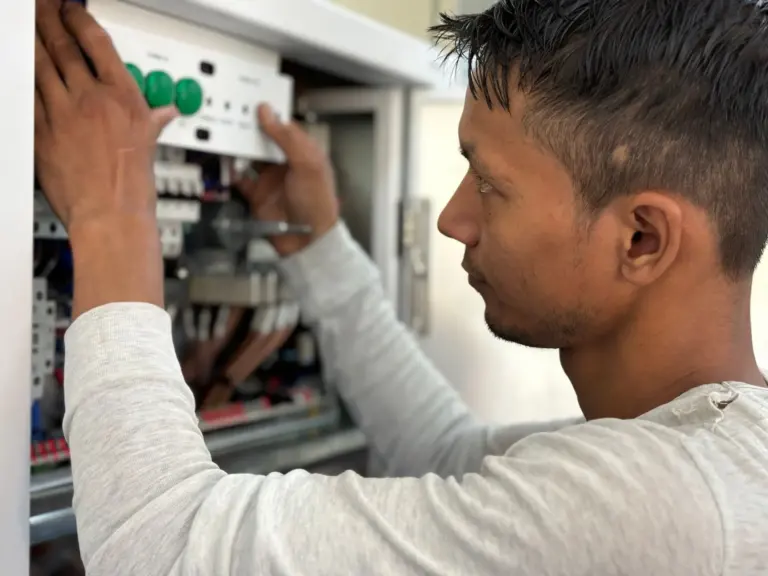
An electrical inspection is a hands-on check of your home’s panel, wiring, outlets and safety devices by a licensed electrician, with a written list of what is safe, what is worn and what needs attention. In Federal Way it is most often done before buying or selling a house, when an insurer asks about an older panel or wiring, or when a homeowner simply wants to know what is behind the walls. Call Electrician Federal Way at (253) 555-0100 and we will connect you with a licensed local electrician who does this work.
Electrical Inspection vs the City Permit Inspection
These two get mixed up all the time, so it helps to separate them early. They answer different questions and are done by different people.
| Electrician’s safety inspection | City of Federal Way permit inspection | |
|---|---|---|
| Who does it | A licensed electrician you hire | A City of Federal Way building inspector |
| When it happens | Any time you ask for it | Only after permitted electrical work is done (and sometimes before walls are closed) |
| What it covers | The whole system as it is today: panel, wiring, outlets, grounding, detectors | Only the work listed on that permit |
| What you get | A written list of findings and recommended repairs | A pass, or a correction notice the contractor must fix |
| Why you use it | Home purchase or sale, insurance, older home, peace of mind | Legal sign-off that new work meets the electrical code |
Inside Federal Way city limits, electrical permits and inspections are handled by the City of Federal Way Building Division, not by the Washington Department of Labor & Industries (L&I). Permit inspections are scheduled online through MyBuildingPermit, and the Permit Center can be reached at 253-835-2607. If your electrician’s inspection turns up repairs that need a permit, such as a panel replacement or new circuits, that city inspection comes afterward as part of the repair.
When Federal Way Homeowners Ask for an Electrical Inspection
Buying a home
A general home inspector looks at the electrical system visually and often writes “recommend evaluation by a licensed electrician.” That note is your cue. An electrician can open the panel, test circuits and give you repair details you can use in negotiations before closing.
Selling a home
An inspection before listing lets you find and fix problems on your own schedule instead of reacting to the buyer’s report. It also gives you paperwork to show buyers what was checked and repaired.
Insurance questions
Some insurers ask about the panel brand, the age of the wiring, or whether a home has aluminum branch wiring or knob and tube. An electrician’s written findings help you answer those questions accurately.
Older homes
Much of Federal Way was built between the 1960s and 1990s. After 30 to 60 years, connections loosen, breakers wear out and past owners add circuits. A check-up shows where the system stands.
Other common reasons include a remodel, adding a big load like an EV charger or heat pump, buying a rental property, after a storm or water leak, or moving an aging parent into a home.
Signs Your Home Is Due for an Inspection
- Breakers that trip often or fuses that blow
- Lights that dim or flicker when appliances start
- Warm outlets, switch plates or a warm panel cover
- A burning or hot plastic smell with no clear source
- Buzzing or crackling from outlets or the panel
- 2 prong outlets or no GFCI protection in wet areas
- Rust, water stains or corrosion in or on the panel
- You have never had the system checked since moving in
If you smell burning, see smoke or find a hot outlet, turn off that circuit at the panel and treat it as a repair call, not an inspection. Our electrical repair page covers what to do next.
What a Licensed Electrician Checks
Every home is different, but a thorough residential electrical inspection usually covers these areas:
- Service entrance, meter base and mast outside
- Main panel: brand, age, capacity (amperage) and condition
- Breaker sizing matched to wire size
- Signs of overheating, arcing or double tapped breakers
- Grounding and bonding, including the grounding electrode
- Wiring type: copper, aluminum branch wiring or knob and tube
- GFCI protection in kitchens, baths, garage, outdoors and crawlspace
- AFCI protection where the code calls for it
- Outlet polarity and grounding, loose or damaged receptacles
- Switches, junction boxes and cover plates
- Smoke and carbon monoxide alarms
- Attic, crawlspace and garage wiring, including DIY additions
- Exterior outlets, lighting and weather covers
- Surge protection and large appliance circuits
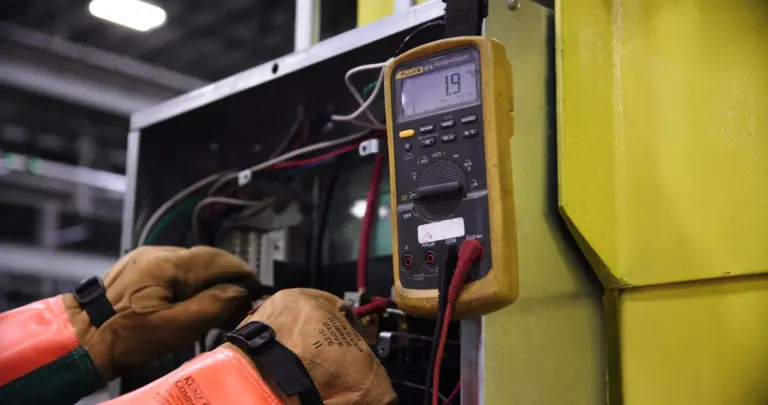
Your electrician will typically use a circuit tester, a multimeter and sometimes a thermal camera to spot hot connections that look normal to the eye. The goal is to find problems that are unsafe now and problems that will cost more if they are ignored.
Common Findings in Federal Way Homes
Because the city grew quickly from the 1960s through the 1990s, certain issues come up again and again in neighborhoods like Twin Lakes, Lakeland, Steel Lake, Redondo and Camelot.
- Older or recalled panel brands. Federal Pacific (Stab-Lok) and Zinsco panels have a history of breakers that may not trip when they should. Many insurers and buyers ask about them. See panel replacement and repair.
- Aluminum branch wiring. Some homes built in the mid 1960s to early 1970s used aluminum for regular circuits. It can be made safer with approved connectors, but it needs an electrician’s eyes.
- Too little capacity. A 100 amp service can struggle once you add an EV charger, a heat pump or a kitchen remodel. Read about wiring and service upgrades.
- Missing GFCI protection. Older bathrooms, garages and exterior outlets often have none, which matters in our damp marine climate.
- Moisture and corrosion. Outdoor panels, meter bases and crawlspace wiring take a beating from Puget Sound rain.
- Amateur work. Splices without junction boxes, extension cords used as permanent wiring, and overloaded circuits added by past owners.
- Old or missing smoke alarms. Alarms wear out with age. See smoke detector replacement.
Need an electrical inspection in Federal Way?
Tell us if it is for a purchase, sale, insurance or an older home, and we will connect you with a licensed local electrician.
How the Inspection Works
Call and explain why you need it
When you call (253) 555-0100, tell us the reason (home purchase, sale, insurance, older home), the approximate age of the house and any deadline, like a closing date or inspection contingency.
Your electrician walks the property
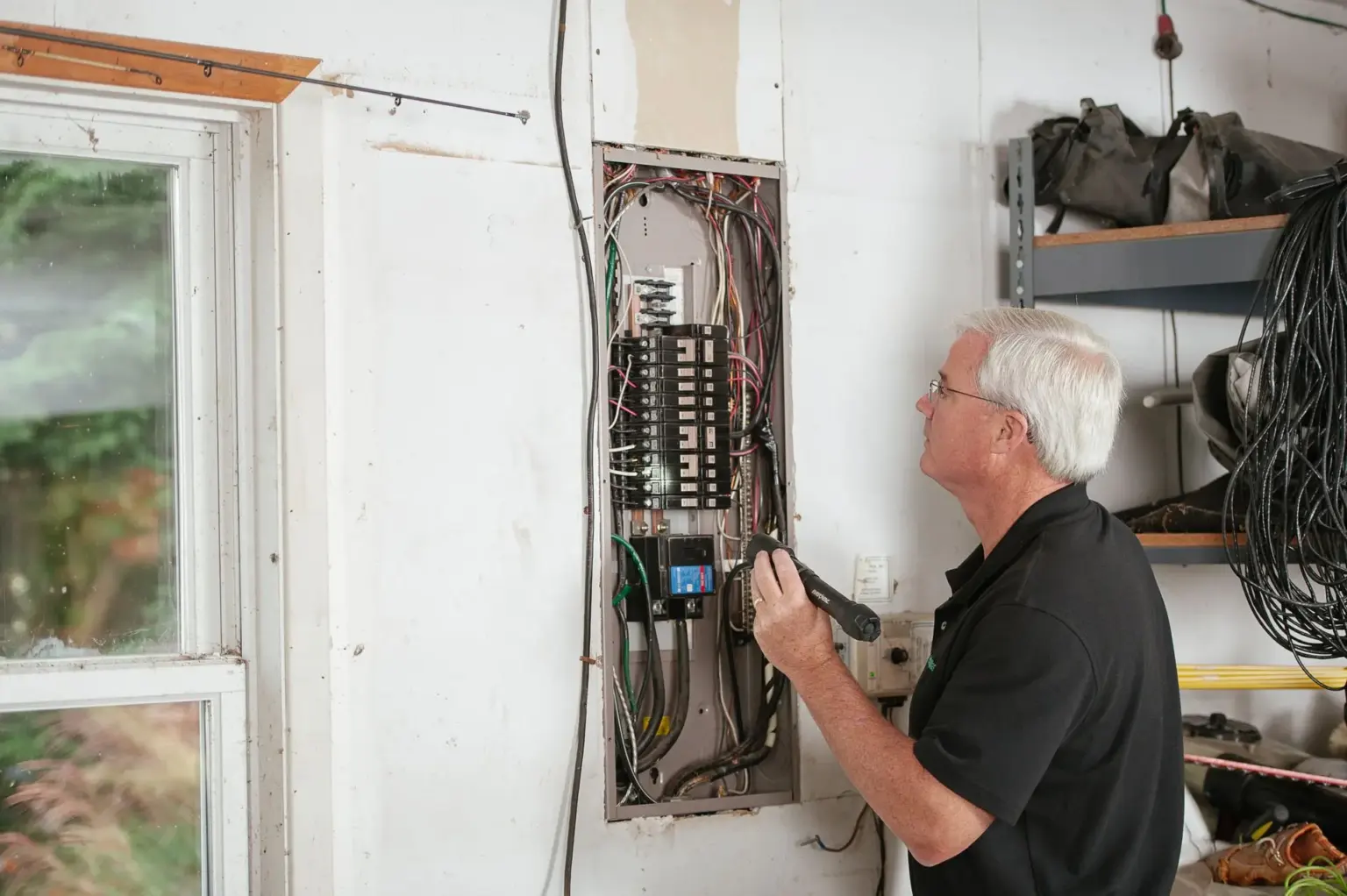
The electrician looks at the service entrance and meter, then opens the panel cover to check breakers, wire sizes, grounding and signs of heat.
Testing room by room
Outlets, GFCI and AFCI devices, switches, fixtures and alarms are tested. Accessible attic, crawlspace and garage wiring is checked.
You get the findings
Ask for a written summary that separates urgent safety issues from items that can wait. Buyers and sellers often share this with their agent, and homeowners can share it with an insurer.
Repairs and permits if needed
If you decide to go ahead with repairs, work that requires a permit is permitted and then inspected by the City of Federal Way before it is signed off.
What Affects the Cost of an Electrical Inspection
Pricing varies by contractor and by house. These are the factors that make the biggest difference:
| Factor | Why it matters |
|---|---|
| Home size and number of circuits | More rooms and outlets take more time to test. |
| Age of the home | Older wiring and past add-ons take longer to trace and document. |
| Access | Tight crawlspaces, finished basements and packed garages slow things down. |
| Type of report | A detailed written report for a lender, buyer or insurer takes more time than a verbal walkthrough. |
| Extra structures | Detached garages, shops, ADUs, hot tubs and outbuildings add to the scope. |
| Timing | A tight closing deadline can limit scheduling options. |
Ask the electrician up front how the visit is priced and whether any of the fee applies toward repairs they find.
A licensed home inspector gives you a broad, visual look at the whole house, including the electrical system. An electrician goes deeper on the electrical side and can tell you what a repair involves. For most home purchases in Federal Way, the best approach is both: the home inspection first, then an electrician for anything it flags.
Licensing and Code in Washington
In Washington, electrical contractors must be licensed and electricians must be certified by the Department of Labor & Industries. You can look up any contractor on the L&I website before you hire them. Electrical work in the state follows WAC 296-46B, which adopts the National Electrical Code (NEC) with Washington amendments.
Keep in mind that an inspection judges an older home against safety, not against today’s code for new construction. A 1975 home does not have to meet every current rule, but anything unsafe or added later without a permit should be fixed. Electrician Federal Way connects Federal Way homeowners in ZIP codes 98003, 98023 and nearby 98001 with licensed local electricians who know these rules and the city’s permit process.
Electrical Inspection FAQs
Is an electrical inspection the same as the city inspection for a permit?
No. The City of Federal Way inspects only permitted work, after it is done, to confirm it meets code. An electrician’s inspection looks at your whole existing system any time you ask and gives you a list of findings.
Do I need an electrician if I already had a home inspection?
If the home inspector flagged anything electrical, yes. Home inspectors are generalists and often recommend a licensed electrician for a closer look at the panel, wiring type or missing protection.
How often should an older home be inspected?
There is no legal schedule for existing homes. A good rule is to have it checked when you buy a home, before a remodel or major new load, after storm or water damage, and whenever you notice warning signs like tripping breakers or warm outlets.
Will an inspection tell me if my panel is a problem for insurance?
Your electrician can identify the panel brand, age, capacity and condition and note any concerns in writing. Your insurance company decides its own requirements, so share the findings with them directly.
How long does a residential electrical inspection take?
It depends on the size and age of the house and how easy it is to reach the panel, attic and crawlspace. Ask the electrician for an estimate when you schedule.
Can the electrician fix problems during the same visit?
Small items like a failed outlet or GFCI can sometimes be handled right away. Larger work such as a panel replacement or new circuits usually needs a separate appointment and a City of Federal Way permit.
What if my house has aluminum wiring or knob and tube?
Neither means the house is unsafe by default, but both need a careful look. Your electrician can explain options, from repairing connections with approved hardware to replacing sections of wiring.