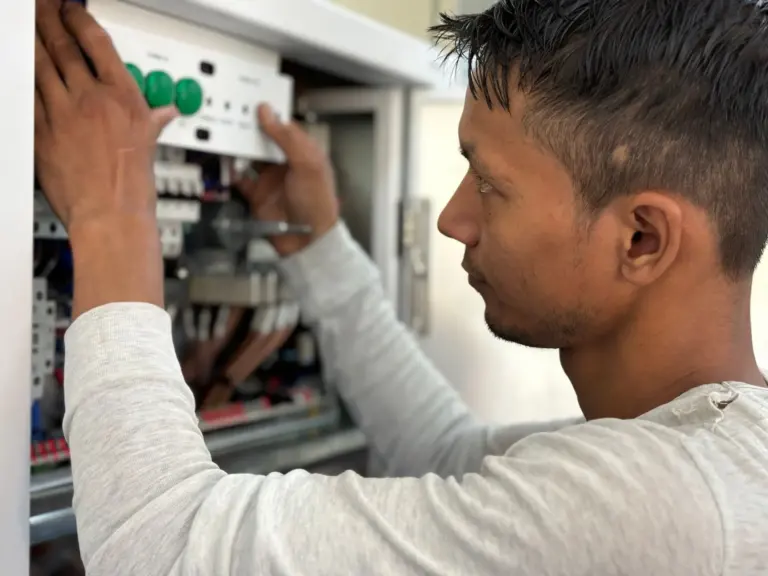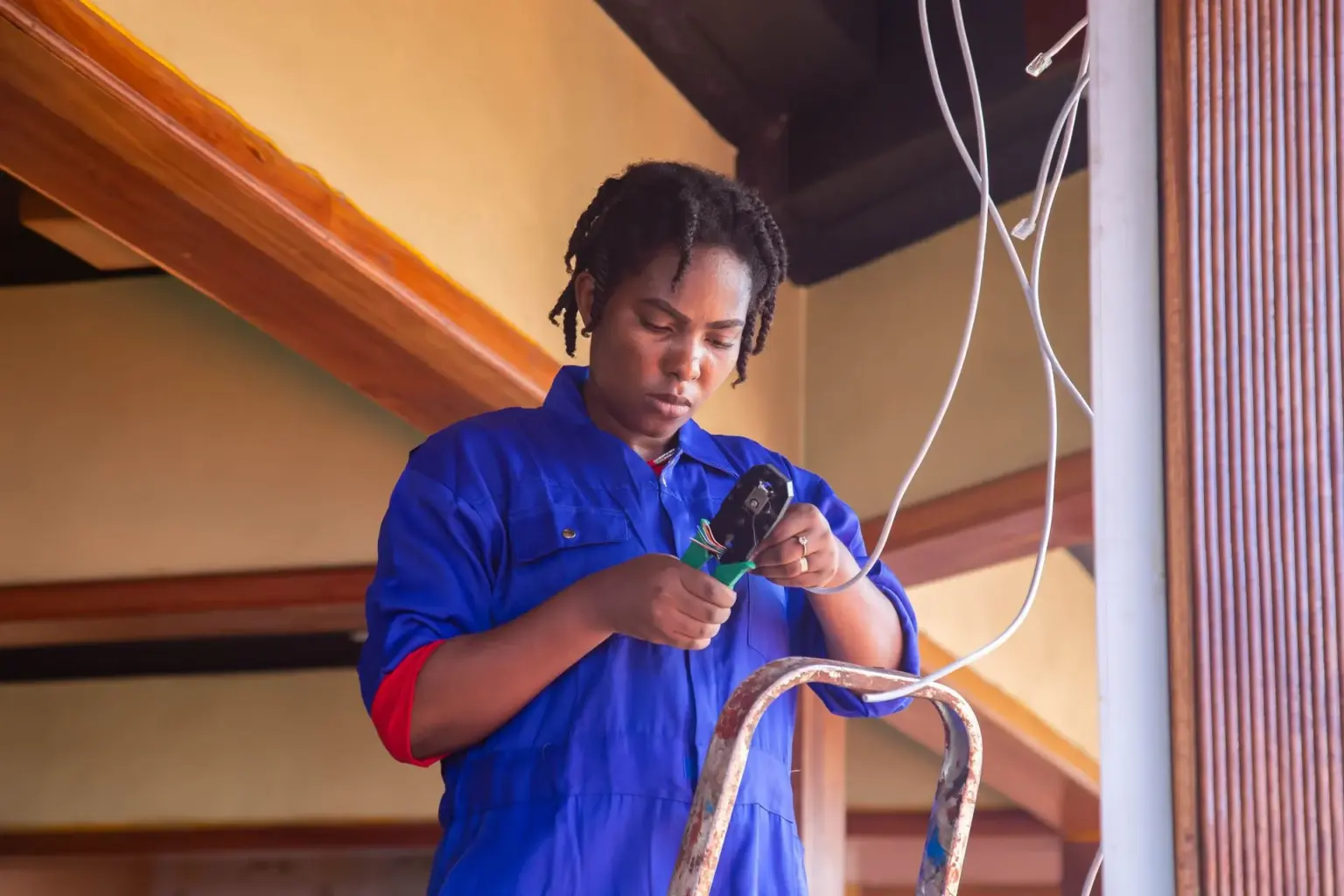
If your Federal Way home has outlets that feel warm, breakers that trip often, two-prong outlets, or wiring from the 1960s or 1970s, it may be time for a wiring update. Electrician Federal Way connects you with a licensed local electrician who can inspect your wiring, tell you whether you need a full rewire, a partial rewire, or just a few targeted upgrades, and handle the City of Federal Way permit.
Rewiring is not always all or nothing. Many homes in Twin Lakes, Lakeland, Steel Lake, and Marine Hills only need a few circuits replaced or added. Others, especially homes with aluminum branch wiring or heavily modified old circuits, are better served by a planned whole house rewire. This page explains how to tell the difference.
Signs Your Home Needs Wiring Work
- Outlets, switches, or cover plates that feel warm or look discolored
- A burning plastic smell with no clear source
- Breakers that trip when you run the microwave, space heater, or hair dryer
- Lights that dim or flicker when an appliance starts
- Two-prong outlets with no ground wire
- Dull silver colored wire at outlets or in the panel (possible aluminum)
- Extension cords and power strips used as permanent wiring
- Buzzing, crackling, or sparks at a switch or outlet
If you smell burning or see scorch marks, turn off that circuit at the breaker and stop using it. Then call (253) 555-0100 so we can connect you with an electrician.
What Wiring Is in Your Federal Way Home?
Most of Federal Way was built out from the 1960s through the 1990s, so the wiring you have depends a lot on when your house was built. Knowing your home’s era is the fastest way to guess what your electrician will find.
| Home built | Wiring you may find | Common concern | Typical fix |
|---|---|---|---|
| Before 1960 | Older cloth covered cable, possibly some knob and tube | Brittle insulation, no ground, low capacity | Full or large partial rewire |
| 1960s to mid 1970s | Plastic sheathed cable; some homes have aluminum branch circuit wiring | Loose, overheating connections at outlets and switches with aluminum | Copper pigtail repair with approved connectors, or rewire |
| 1970s to 1980s | Copper NM cable, early grounded circuits | Too few circuits for today’s kitchens, laundry, and home offices | New dedicated circuits, GFCI and AFCI upgrades |
| 1990s and newer | Modern copper wiring | DIY changes, remodel add-ons, damaged cable | Targeted repairs and added circuits |
The U.S. Consumer Product Safety Commission notes that homes built from 1965 to the mid 1970s may have aluminum branch circuit wiring. Its guidance names full replacement with copper as the best fix and a crimped copper pigtail method called COPALUM as a permanent repair. Simple twist-on connectors are not a permanent fix. Your electrician can explain which option fits your house.
Full Rewire, Partial Rewire, or Targeted Upgrades
Full rewire
Old branch wiring is replaced throughout the house, usually with a panel check or upgrade at the same time. Best for very old or damaged wiring, or when you are opening walls for a big remodel anyway.
Partial rewire
Only the problem areas are replaced, such as the kitchen, bathrooms, or one failing circuit run. Good when the rest of the wiring tests fine.
Targeted upgrades
New dedicated circuits, grounded outlets, GFCI and AFCI protection, or a 240 volt circuit for an appliance. Good for sound wiring that just needs more capacity or modern protection.
A good electrician will test before recommending anything. If a partial fix is safe and meets code, you should hear about it.
Common Wiring Upgrades in Federal Way
- Dedicated kitchen appliance circuits
- Grounding two-prong outlets
- GFCI protection in kitchens, baths, garages, and outdoors
- AFCI protection for bedroom and living area circuits
- 240 volt circuits for dryers, ranges, heat pumps, and shops
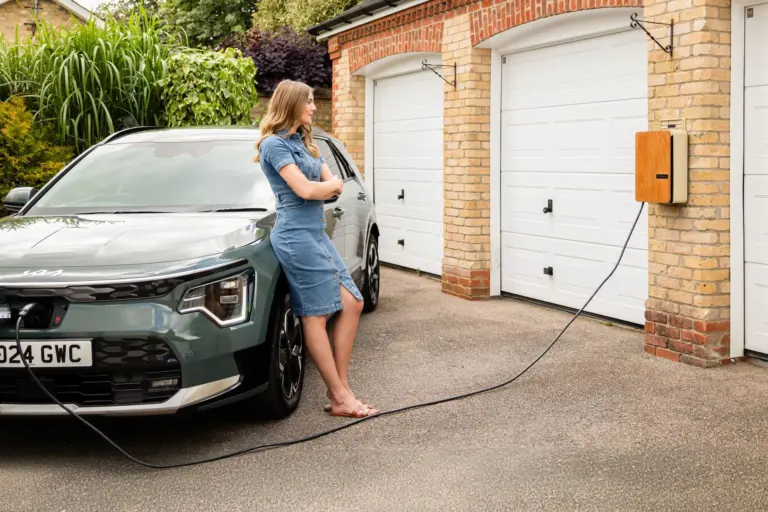
- Circuits for a home EV charger
- Garage, shop, and ADU wiring
- Aluminum wiring repair
- Wiring for new lighting and ceiling fans
- Home office and media room circuits
If more circuits will not fit, or the panel is old or undersized, your electrician may suggest panel replacement or repair first. Adding new wiring to a failing panel does not solve the real problem.
How the Process Works
Call and describe the problem
Tell us your ZIP code, the age of the home if you know it, and what you are seeing. We connect you with a licensed local electrician.
Inspection and testing
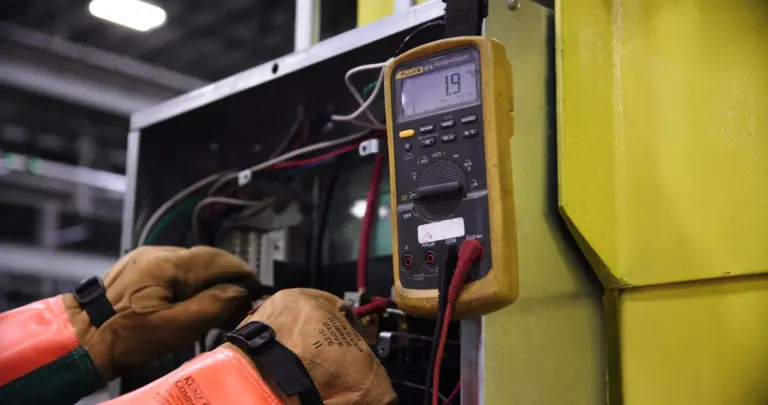
The electrician checks the panel, opens a sample of outlets and switches, tests circuits, and looks at wiring in the attic, crawl space, or garage where it can be seen.
Written scope
You get a plan that says what will be replaced, what will stay, and which rooms are affected. Ask how long the power will be off and whether walls will be opened.
Permit
Inside Federal Way city limits, electrical permits come from the City of Federal Way Permit Center, not L&I. Your electrician applies for it.
Rough in and inspection
New wire is pulled, often through attic and crawl space access to limit wall openings. A city inspector checks the work before walls are closed.
Final check and patching
Devices go in, circuits are labeled and tested, and the final inspection is done. Drywall patching and paint may be a separate trade, so ask up front.
Not sure what your wiring needs?
Call Electrician Federal Way and we will connect you with a licensed local electrician to check it.
Permits, Codes, and Licensing
Federal Way is one of the Washington cities that runs its own electrical permits and inspections. The City of Federal Way Building Division and Permit Center (253-835-2607) handle wiring permits for homes inside city limits. Simple electrical permits can be applied for over the counter through MyBuildingPermit.
The city lists only a few small electrical jobs as permit exempt, like minor repairs, replacing lamps, and replacing breakers of the same size in the same spot. New circuits and rewiring are not on that list. Wiring work in Washington follows WAC 296-46B, which adopts the National Electrical Code with state changes. Contractors must be licensed and electricians certified by the Washington Department of Labor & Industries (L&I), and you can look up any contractor on the L&I website.
What Affects the Cost of Rewiring
| Factor | Why it matters |
|---|---|
| Home size and number of circuits | More rooms and circuits means more wire, devices, and labor. |
| Access | An open attic and crawl space make pulling wire easier. Finished basements, split levels, and vaulted ceilings take more work. |
| Full vs partial scope | Replacing a few circuits costs far less than a whole house rewire. |
| Panel condition | An old or full panel may need to be replaced or upgraded first. |
| Wall repair | Some openings are needed. Patching and paint add cost if included. |
| Permit and inspections | City permit fees are part of every legal rewiring job. |
Ask for a written estimate that lists each item so you can compare quotes fairly.
Planning Tips for Federal Way Homeowners
- Combine rewiring with a remodel, when walls are already open.
- Plan for future needs now, like an EV charger, heat pump, or hot tub.
- Ask for outdoor circuits to be GFCI protected and in weather resistant covers. The damp Puget Sound climate is hard on outdoor wiring.
- Add whole home surge protection when the panel is open.
- If you are buying or selling, an electrical inspection can show what needs work before you commit.
Electrician Federal Way helps homeowners across Federal Way, from Dash Point and Redondo to Camelot and Mirror Lake, plus nearby cities listed on our service areas page.
Electrical Wiring FAQs
How do I know if my house needs rewiring?
Warning signs include warm outlets, burning smells, frequent breaker trips, flickering lights, two-prong outlets, and aluminum branch wiring. Age alone does not decide it. An electrician needs to test the wiring and check the panel.
Do I need a permit to rewire a house in Federal Way?
Yes. New circuits and rewiring need an electrical permit. Inside Federal Way city limits, the permit comes from the City of Federal Way Permit Center (253-835-2607), not from L&I.
Is aluminum wiring dangerous?
Aluminum branch circuit wiring from about 1965 to the mid 1970s can overheat at outlets, switches, and splices. The CPSC recommends copper replacement or an approved copper pigtail repair. Have an electrician check it rather than ignore it.
Can my home be rewired without tearing out all the walls?
Usually. Electricians fish new wire through attics, crawl spaces, and existing boxes. Some small openings are normally needed, and the number depends on the home’s layout.
Can I stay in my home during rewiring?
Many families do. Work is usually done one area at a time, with power shut off to parts of the house during the day. Ask your electrician for a schedule.
Should I replace my panel when I rewire?
Not always, but it is common. If the panel is old, full, or undersized, your electrician may recommend replacing it as part of the job.
Can I just replace two-prong outlets with three-prong outlets?
Not without a ground. Code allows a few options, like running a ground wire or using GFCI protection with the right labels. An electrician can tell you which option works for your circuits.