A loose, warm, sparking, or dead outlet should be replaced or repaired by a licensed electrician, and in kitchens, bathrooms, garages, and outdoors the new outlet usually needs GFCI protection. Electrician Federal Way connects Federal Way homeowners with licensed local electricians for outlet replacement, GFCI upgrades, new outlets, and two-prong to three-prong conversions.
Outlets look simple, but a bad one is often a sign of a loose connection or a circuit problem behind the wall. Replacing the device without finding the cause can leave the real hazard in place.
Signs an Outlet Needs Replacement
- Plugs fall out or feel loose
- The outlet or cover plate is warm to the touch
- Brown or black marks around the slots
- Sparks or crackling when you plug something in
- Cracked or broken face or cover
- A GFCI that will not reset or trips all the time
- Two-prong outlets where you need grounded power
- An outlet that works only some of the time
If an outlet is hot, smells burnt, or has scorch marks, stop using it and turn off its breaker. Then call (253) 555-0100.
Before You Call: Quick Checks for a Dead Outlet
Many dead outlets are not broken. In homes around Federal Way, one GFCI outlet often protects other outlets downstream, including ones in a different room, the garage, or outside.
- Look for a GFCI outlet nearby, in the bathroom, kitchen, garage, or near the back door, and press its RESET button.
- Check the panel for a tripped breaker. Push it fully off, then back on.
- Check whether the outlet is controlled by a wall switch.
If none of that works, or the breaker trips again right away, the problem needs an electrician. A breaker that keeps tripping is a warning, not a nuisance. Our circuit breaker repair page explains why.
Outlet Types and Where They Belong
| Outlet type | What it does | Where it is used |
|---|---|---|
| GFCI | Cuts power fast when current leaks to ground, protecting people from shock | Bathrooms, kitchen counters, laundry, garages, crawl spaces, unfinished basements, outdoors, near sinks |
| AFCI or dual function | Detects dangerous arcing in wiring that can start fires | Many living areas and bedrooms, as the code requires |
| Tamper resistant (TR) | Internal shutters keep objects out of the slots | Most receptacles in homes |
| Weather resistant (WR) | Built to resist moisture and corrosion | Outdoor and damp locations, with an in-use cover |
| 20 amp | For heavier loads on a 20 amp circuit | Kitchen counters, laundry, bathrooms, garages |
| USB or USB-C combo | Adds charging ports to a standard outlet | Kitchens, bedrooms, offices |
| 240 volt (NEMA 14-30, 14-50, 6-50) | Supplies dryers, ranges, EV chargers, welders | Laundry, kitchen, garage, shop |
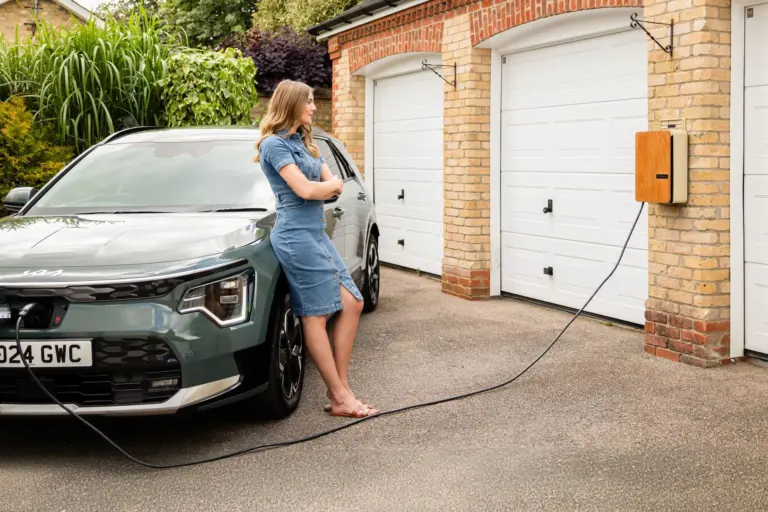
A 240 volt outlet for a car is a different job with its own circuit sizing. See EV charger installation for that.
What Code Says About Replacing Outlets
Swapping an old outlet is not always a like for like job. The National Electrical Code, adopted in Washington through WAC 296-46B, has rules for replacement receptacles:
- If the location now requires GFCI protection, the replacement must be GFCI protected, even if the old one was not.
- Replacements in locations that require tamper resistant outlets must be tamper resistant.
- Outdoor and damp location replacements must be weather resistant.
- In some cases a replacement must also have AFCI protection.
- A three-prong outlet may not be installed on an ungrounded circuit unless the code’s specific options are followed.
Your electrician will know which rules apply to your rooms. That is one reason a licensed pro is worth it for even small outlet work.
Two-Prong to Three-Prong Upgrades
Many Federal Way homes from the 1960s still have some two-prong outlets. Putting in a three-prong outlet without a ground is a code violation and gives a false sense of safety. Common legal options are:
Add a ground
Run an equipment ground back to the panel or another approved point. This gives true grounding for computers and surge protectors.
GFCI protection
A GFCI outlet or breaker can protect ungrounded outlets from shock. They must be labeled “No Equipment Ground.”
Rewire the circuit
If the old cable is worn or the circuit is overloaded, new wiring is the better fix. See wiring and upgrades.
Outdoor Outlets in the Puget Sound Climate
Federal Way’s damp, mild weather is hard on outdoor outlets. Rain and moisture get into worn covers and cause corrosion and GFCI trips, especially in fall and winter. For patios, decks, and holiday lights, ask for weather resistant GFCI outlets with in-use (bubble) covers that stay closed while something is plugged in.
How Outlet Replacement Works
Tell us what is happening
Call and describe the outlets, rooms, and any smells or trips. We connect you with a licensed local electrician.
Testing
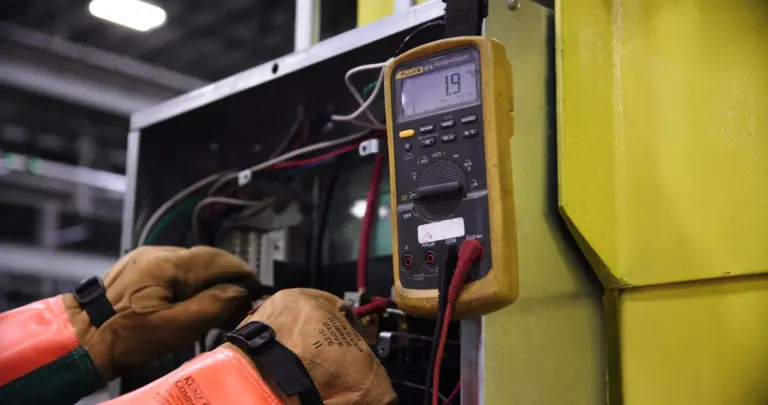
The electrician checks voltage, polarity, ground, and GFCI function, and looks for loose back-stab connections or damaged wire.
Replacement or repair
The outlet is replaced with the right type for the location, and loose or damaged connections are fixed.
Final check
Each outlet is tested before the job is done, and GFCIs are tested with their test buttons.
Outlet not working or feeling warm?
Call Electrician Federal Way to connect with a licensed local electrician.
Permits in Federal Way
The City of Federal Way handles electrical permits inside city limits, not L&I. The city’s permit exemption list includes reinstalling receptacles, but not new outlets. Adding outlets or circuits generally needs a permit. If you are unsure, the Federal Way Permit Center (253-835-2607) can answer, or your electrician can handle it.
What Affects the Cost
| Factor | Why it matters |
|---|---|
| Number of outlets | Doing several at once is usually more efficient than one at a time. |
| Outlet type | GFCI, AFCI, USB, and 240 volt devices cost more than standard ones. |
| Wiring condition | Burnt, aluminum, or ungrounded wiring adds repair time. |
| New vs replacement | A new outlet needs cable run to it and may need a new circuit. |
| Location | Outdoor, garage, or hard to reach spots take more work. |
Electrician Federal Way helps homeowners in ZIP codes 98003, 98023, and 98001, and in nearby cities on our service areas page.
Outlet Replacement FAQs
Why did several outlets stop working at once?
Usually a tripped GFCI or breaker. One GFCI can protect outlets in other rooms or outside. Reset nearby GFCIs and check the panel. If power does not come back, call an electrician.
Where are GFCI outlets required?
In homes, GFCI protection is required in places like bathrooms, kitchen counters, laundry areas, garages, crawl spaces, unfinished basements, outdoors, and near sinks. Your electrician will confirm what applies to your home.
How often should GFCI outlets be tested or replaced?
Press the TEST and RESET buttons about once a month. If a GFCI will not trip or will not reset, replace it.
Can I put a three-prong outlet on a two-wire circuit?
Not by itself. You need a ground, or GFCI protection with a “No Equipment Ground” label, or new wiring.
Is a warm outlet dangerous?
Yes, it can be. Heat usually means a loose connection or overloaded circuit. Stop using it and have it checked.
Do I need a permit to replace an outlet in Federal Way?
Reinstalling a receptacle is on the city’s exemption list, but adding new outlets or circuits generally needs a permit from the City of Federal Way. Call the Permit Center at 253-835-2607 if unsure.
Can I add USB outlets?
Yes. USB combo outlets fit most standard boxes. Your electrician will make sure the box is deep enough and the connections are sound.