A whole home surge protector mounts at your electrical panel and limits voltage spikes before they reach the circuits, appliances, and electronics throughout your house. Electrician Federal Way connects Federal Way homeowners with licensed local electricians who install panel mounted surge protection, often alongside a panel upgrade, generator hookup, or EV charger.
Power strips help, but they only protect what is plugged into them. Your furnace board, heat pump, range, washer, garage door opener, and smart devices are wired in or plugged into ordinary outlets. A panel mounted surge protective device (SPD) covers the whole electrical system at once.
Where Surges Come From in Federal Way Homes
Lightning is less common here than in many parts of the country, but it is only one cause. Most surges are smaller and happen far more often.
Windstorm outages and restoration
Fall and winter windstorms in the Puget Sound region bring down trees and lines. Power flickers, cuts out, and comes back, and those events can send spikes through your wiring.
Utility switching
Routine grid switching and equipment problems on the utility side can cause brief voltage spikes that you never notice until a device fails.
Motors inside your home
Heat pumps, air conditioners, refrigerators, well pumps, and shop tools cause small internal surges each time they start and stop. Over years, these wear down electronics.
Wiring and panel problems
Loose neutrals, poor grounding, and failing breakers can cause voltage swings. A surge protector does not fix these, so your electrician should check them too.
How Layered Surge Protection Works
The best protection uses more than one layer. Surge protectors are grouped by where they are installed:
| Type | Where it goes | What it protects |
|---|---|---|
| Type 1 | Line side of the main disconnect, often at or near the meter base or service equipment | The whole service from outside surges; installed by an electrician and may need utility coordination |
| Type 2 | Load side, in or next to the main panel on a breaker | All branch circuits in the home; the most common whole home choice |
| Type 3 | At the device: surge strips and surge outlets | Sensitive electronics like TVs, computers, and routers |
A panel SPD plus good surge strips at your TV and computer gives the best result. Your electrician may also suggest protecting cable, internet, or phone lines that enter the house, since surges can travel on those wires too.
What to Look for in a Whole Home Surge Protector
- UL 1449 listing as a surge protective device
- Type 1 or Type 2 rating that fits the location
- Compatible with your panel brand, or an approved add-on
- Status lights that show when protection is working
- Surge current rating suited to a home service
- Short, straight connection leads to the panel
Surge protectors wear out. After a big event, the status light may show the unit needs to be replaced. Check the lights now and then, and after major storms.
Surge Protection Is Now Part of Code
The National Electrical Code, which Washington adopts with state amendments through WAC 296-46B, requires a Type 1 or Type 2 surge protective device when a home’s electrical service is installed or replaced. The device must be part of the service equipment or installed right next to it.
That means if you are planning a panel replacement or service upgrade, surge protection will be part of the job. If you are not changing your panel, a surge protector can still be added to most existing panels. Inside Federal Way city limits, the permit for panel work comes from the City of Federal Way Permit Center, not L&I.
Good Times to Add Surge Protection
- During a panel replacement or service upgrade
- When installing a generator and transfer switch
- When adding an EV charger, heat pump, or solar
- After a storm damages electronics or appliances
- When you add smart home devices, security systems, or a home office
How Installation Works
Call and describe your home
Tell us about your panel, any recent storm damage, and your devices. We connect you with a licensed local electrician.
Panel and grounding check
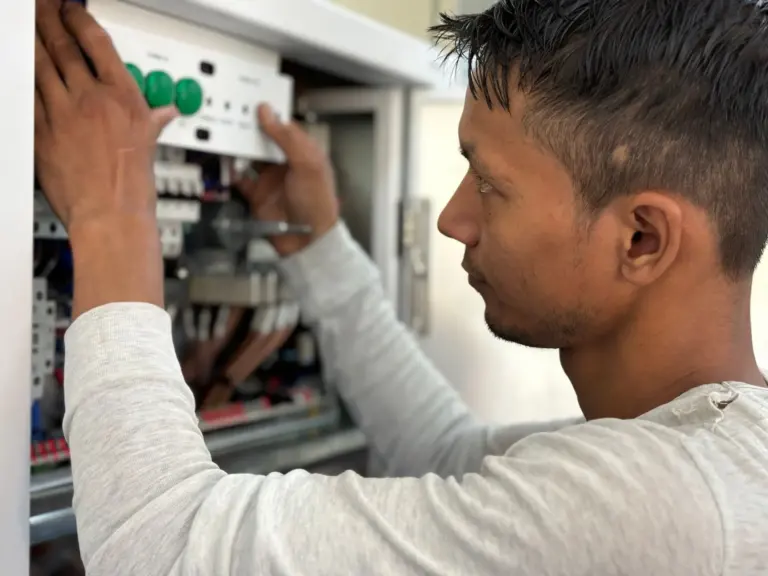
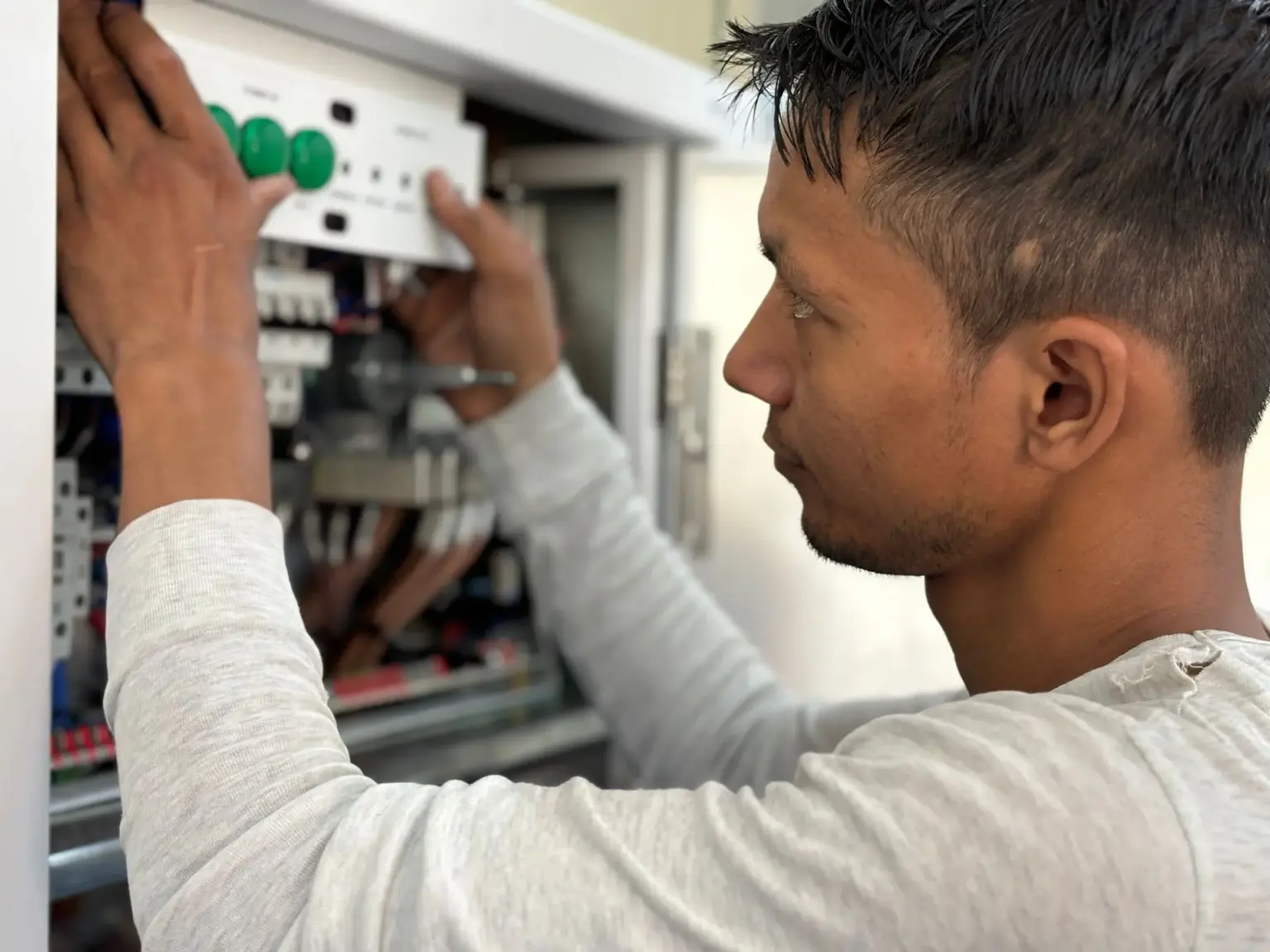
The electrician checks panel condition, open breaker spaces, and the grounding and bonding system. A surge protector depends on a good ground.
Install
The SPD is mounted in or beside the panel with short leads and connected to a breaker or approved terminals. Power is off for a short time.
Test and explain
Your electrician confirms the status lights and shows you what they mean, plus when to replace the unit.
Protect everything plugged in at once
Call Electrician Federal Way to connect with a licensed local electrician for surge protection.
What Affects the Cost
| Factor | Why it matters |
|---|---|
| Type 1 vs Type 2 | Type 1 installs at the service side and can involve more work. |
| Panel space | No open breaker spaces may mean extra work or a panel change. |
| Grounding condition | Weak grounding or bonding needs repair for the SPD to work well. |
| Device rating and brand | Higher rated and panel matched units cost more. |
| Added layers | Protection for cable, phone, or subpanels adds parts and time. |
| Combined work | Adding it during a panel or generator job saves a separate visit. |
Electrician Federal Way helps homes across Federal Way, from Redondo and Dash Point to Lakeland and Twin Lakes, plus nearby cities on our service areas page.
Surge Protection FAQs
Is a whole home surge protector worth it?
For most homes, yes. Modern appliances, heat pumps, and furnaces have circuit boards that are easily damaged. One panel mounted SPD protects all of them, and it works best paired with surge strips at sensitive electronics.
Does a whole home surge protector stop a direct lightning strike?
No device can promise that. A surge protector greatly reduces damage from most surges, but a direct strike can overwhelm any system.
Do I still need power strips?
Yes, for TVs, computers, and networking gear. The panel unit handles the big surges and the strips handle what is left at the device.
Is surge protection required by code?
The NEC, as adopted in Washington, requires a Type 1 or Type 2 SPD when a home’s service is installed or replaced. It is not required just because you have an older panel, but it can be added any time.
How long does a surge protector last?
It depends on how many surges it absorbs. Check the status lights, especially after storms. When the light shows it is no longer protecting, it should be replaced.
Can I install one myself?
It connects inside your electrical panel, so it should be installed by a licensed electrician. A poor install with long leads or a bad ground can make it far less effective.