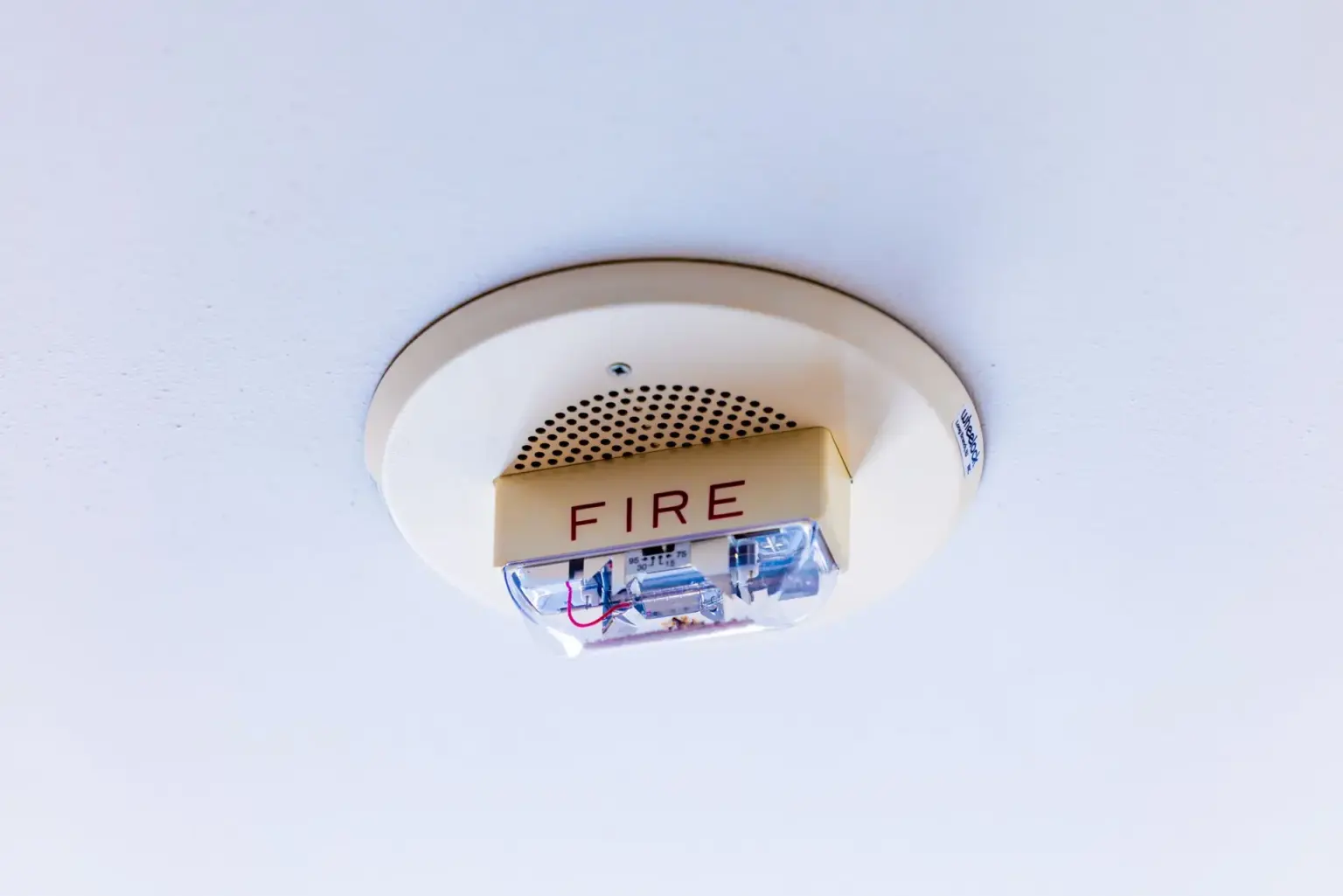
Smoke alarms older than 10 years, alarms that chirp or false alarm, and homes missing carbon monoxide alarms should be updated, and hardwired interconnected alarms are best handled by a licensed electrician. Electrician Federal Way connects Federal Way homeowners, sellers, and landlords with licensed local electricians for smoke detector installation, replacement, and repair, including combination smoke and CO alarms.
Many Federal Way homes were built in the 1970s through the 1990s, and a lot of them still have their first round of hardwired alarms, or replacements that are now past their service life. The date is printed on the back of each alarm.
Signs Your Smoke Alarms Need Attention
- The manufacture date on the back is more than 10 years ago
- Chirping that continues after a new battery
- False alarms from cooking or shower steam
- Yellowed or cracked housing
- One alarm sounds but the others do not
- No alarm in bedrooms, or none on a level of the home
- No carbon monoxide alarm in a home with gas appliances, a fireplace, or an attached garage
- Test button gives no sound or a weak sound
Washington Smoke and CO Alarm Laws
Two state laws cover most homes in Federal Way. These are summaries. Read the full law or ask a professional if you have a specific situation.
| Rule | Who it applies to | What it says |
|---|---|---|
| Smoke alarms, RCW 43.44.110 | Dwellings occupied by someone other than the owner, homes built in Washington after 1980, and homes sold on or after July 1, 2019 | Smoke detection devices must be installed. Owners are responsible for installing them. In rentals, tenants maintain them, including batteries. |
| Carbon monoxide alarms, RCW 19.27.530 | Residential buildings under the state building code | CO alarms are required. Owner-occupied single family homes occupied before July 26, 2009 are exempt, but the seller must install CO alarms before a buyer moves in. |
| Rentals and turnovers | Landlords | Owners must make sure smoke alarms work before a unit is reoccupied after a vacancy. |
Buyers’ inspectors check smoke and CO alarms. Updating them before listing avoids a last minute repair request. An electrician can replace old hardwired units and add CO alarms in one visit.
Where Alarms Should Go
Washington builds its residential code on the International Residential Code. For new work, that code calls for smoke alarms in each bedroom, outside each sleeping area, and on each level, including basements. In new construction they are hardwired with battery backup and interconnected, so when one sounds, they all sound.
CO alarms go outside sleeping areas and on each level where the code requires them. Your electrician will confirm the right number and spots for your floor plan, and keep smoke alarms away from spots that cause false alarms, like right next to a bathroom door or the stove.
Alarm Types
Hardwired with battery backup
Powered by a household circuit, with a battery for outages. Interconnected with other alarms by wire. Standard in newer homes.
Combination smoke and CO
One unit detects both smoke and carbon monoxide. It saves ceiling space and replaces older smoke only units in hallways.
Sealed 10 year battery
Battery lasts the life of the alarm. Useful where no wiring exists. Some models link wirelessly to other alarms.
Smart alarms that send phone alerts are another option and can tie into a smart home system. Make sure they are compatible with your existing hardwired alarms.
Why Hardwired Alarms Need an Electrician
Replacing a hardwired alarm means working with a 120 volt circuit and the interconnect wire. Brands often use different plugs and are not always compatible with each other, so mixing brands can break the interconnection. An electrician can:
- Swap old units for compatible new ones
- Fix alarms that do not trigger each other
- Add alarms in new bedrooms or a finished basement
- Run new interconnect wiring
- Find the cause of nuisance alarms
- Replace damaged connectors and boxes
Chirping and False Alarms
A single chirp every 30 to 60 seconds usually means a low battery or an alarm at the end of its life. Many newer alarms chirp on purpose when they expire. If a new battery does not stop it, check the date and replace the unit.
Nuisance alarms often come from cooking, steam, dust, or bugs in the sensor. If alarms go off together for no reason, there may be a problem with one unit or the interconnect wiring. That is a job for your electrician.
How Smoke Alarm Replacement Works
Call us
Tell us how many alarms you have, their age if you know it, and whether they are hardwired. We connect you with a licensed local electrician.
Check
The electrician checks each alarm, the circuit, the interconnection, and whether the layout covers bedrooms and each level.
Replace or add
Old units are replaced with compatible alarms, and CO or combo alarms are added where needed.
Test
Every alarm is tested so that one alarm sets off the others.
Alarms chirping or out of date?
Call Electrician Federal Way to connect with a licensed local electrician.
What Affects the Cost
| Factor | Why it matters |
|---|---|
| Number of alarms | Replacing every alarm at once is often the most efficient. |
| Alarm type | Combo, smart, and 10 year units cost more than basic ones. |
| Existing wiring | Swapping existing hardwired units is simpler than running new wire. |
| Ceiling height and access | Vaulted ceilings and tight attics add time. |
| Permit | New circuits or interconnect wiring may need a City of Federal Way permit. |
Inside Federal Way city limits, electrical permits come from the City of Federal Way Permit Center (253-835-2607), not L&I. For a full safety check of your system, see electrical inspection. Electrician Federal Way also helps in nearby cities on our service areas page.
Smoke Detector FAQs
How often should smoke detectors be replaced?
Most manufacturers say every 10 years. Check the date on the back. CO alarms often have a shorter life, so check their label too.
Are carbon monoxide alarms required in Washington?
Yes, for residential buildings under RCW 19.27.530. Owner-occupied single family homes occupied before July 26, 2009 are exempt until they are sold, and then the seller must install CO alarms before the buyer moves in.
Who is responsible for smoke alarms in a rental?
Under RCW 43.44.110, the owner installs them and must make sure they work before a new tenant moves in. The tenant maintains them, including batteries.
Why is my smoke detector chirping with a new battery?
It may be at the end of its life, the battery may not be seated, or the hardwired unit may have a fault. Check the date first.
Can I replace a hardwired smoke detector with a battery one?
It is usually not a good idea. It can break the interconnection and may not meet code. Replace hardwired alarms with compatible hardwired units.
Why do all my alarms go off at once?
Interconnected alarms are meant to. If they go off for no reason, one unit may be faulty or dirty. An electrician can find which alarm starts it.