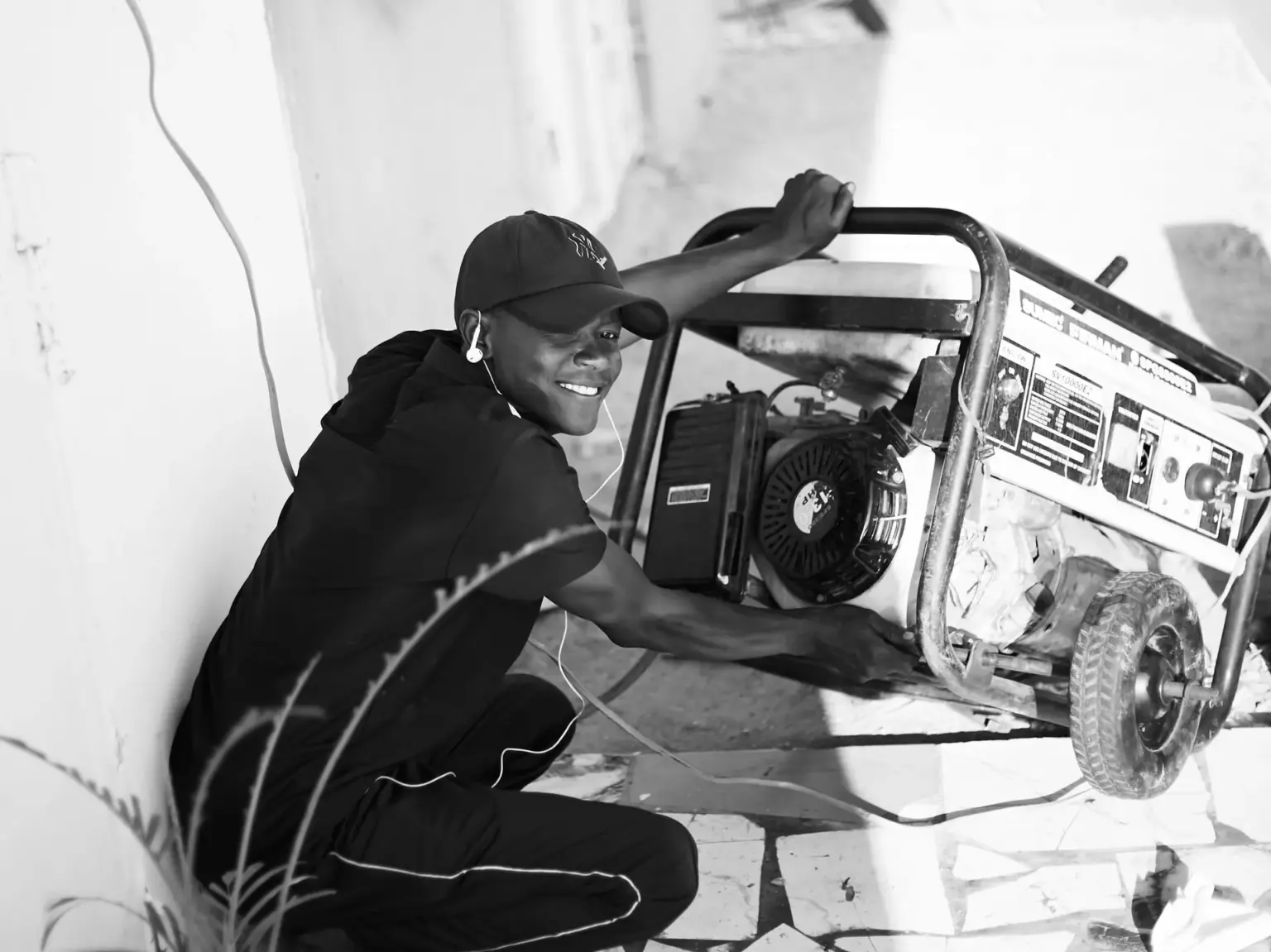
The safe way to power your home during an outage is a generator connected through a transfer switch or a listed panel interlock, installed by a licensed electrician with a permit. Electrician Federal Way connects Federal Way homeowners with licensed local electricians for standby generator installation, portable generator hookups, inlet boxes, and transfer switches.
Federal Way is served by Puget Sound Energy (PSE), and fall and winter windstorms regularly bring down trees and lines across the Puget Sound region. In November 2024, a bomb cyclone knocked out power to more than 600,000 customers in Western Washington, and some were still waiting for power a week later. A planned backup power setup keeps your heat, fridge, sump pump, and medical devices running.
Plugging a generator into a dryer outlet or wall outlet with a “suicide cord” can send power back onto utility lines and injure or kill line workers. It can also start a fire in your home. PSE warns never to connect a generator to home wiring without a proper transfer switch installed by a qualified professional.
Standby vs Portable Generators
| Standby (permanent) | Portable with hookup | |
|---|---|---|
| Fuel | Natural gas or propane | Usually gasoline; some run on propane |
| Starting | Starts on its own when power fails | You roll it out, start it, and plug it in |
| Connection | Automatic transfer switch (ATS) | Inlet box plus manual transfer switch or panel interlock |
| What it powers | Selected circuits or the whole home, based on size | A few key circuits you choose |
| Best for | Long outages, people home during the day, medical needs, remote work | Budget backup for the essentials |
| Upkeep | Scheduled maintenance and self tests | Fuel storage, regular test runs |
Battery backup systems are a third option, especially with rooftop solar. They are quiet and run no engine, but hold a limited amount of energy.
Transfer Switch vs Interlock Kit
A transfer switch or an interlock is what makes a generator hookup safe. Both keep your home from being connected to the utility and the generator at the same time.
Automatic transfer switch
Used with standby generators. It senses the outage, starts the generator, switches over, and switches back when PSE power returns.
Manual transfer switch
A small subpanel for chosen circuits. You flip the circuits to generator power by hand. Clear and simple for portable units.
Panel interlock
A plate on the main panel that blocks the main breaker and the generator breaker from being on together. It must be listed for your specific panel.
For portable generators, the electrician installs an outdoor power inlet box wired to the transfer switch or interlock. You connect the generator to it with a proper generator cord.
Sizing: What Do You Want to Power?
Generator size depends on what must run at the same time, and on the starting surge of motors like well pumps and heat pumps. Your electrician will do a load calculation. Start by listing your must haves:
- Refrigerator and freezer
- Furnace fan or heat pump
- Sump pump or well pump
- Lights in key rooms
- Internet, phones, and home office
- Medical equipment
- Water heater
- Garage door opener
Electric ranges, dryers, and heat pumps need more capacity. If your panel is old or full, a panel upgrade may be part of the plan.
Placement and Safety
- Never run a generator indoors, in a garage, or in a partly enclosed space, even with doors open.
- PSE advises keeping generators at least 10 feet from combustible surfaces and away from windows, doors, and vents.
- Standby units must meet the manufacturer’s clearances and the code.
- Install carbon monoxide alarms inside the home. See our smoke and CO alarm page.
- In the damp Puget Sound climate, portable units need a dry, ventilated spot or a listed cover while running.
How Generator Installation Works
Call and plan
Tell us what you want to keep running and whether you already own a generator. We connect you with a licensed local electrician.
Site visit and load check
The electrician checks your panel, service size, and where a generator or inlet box can go.
Permits
Inside Federal Way city limits, the electrical permit comes from the City of Federal Way Permit Center (253-835-2607), not L&I. Standby units on gas also need gas piping work and its own permit.
Install
The transfer switch or interlock, inlet box or standby unit, and wiring are installed, with a pad for standby units.
Inspection and test
The city inspects the work. The system is tested so you know how it switches over.
Tell PSE
PSE asks customers to call 1-888-225-5773 when a backup system is installed.
Ready for the next windstorm?
Call Electrician Federal Way to connect with a licensed local electrician for generator hookup.
What Affects the Cost
| Factor | Why it matters |
|---|---|
| Standby vs portable hookup | A portable hookup is a smaller job than a standby system. |
| Generator size | Whole home units cost more than essential circuit units. |
| Transfer equipment | Automatic switches cost more than manual switches or interlocks. |
| Distance from panel | Longer wire and gas runs add labor and material. |
| Fuel | Gas line work or a propane tank adds a separate trade. |
| Panel condition | An old or full panel may need an upgrade. |
| Permits | Electrical and gas permits are part of a legal install. |
Adding whole home surge protection during the same visit is common. Electrician Federal Way helps homes across Federal Way, from Dash Point and Marine Hills to Lakeland and Mirror Lake, and nearby cities on our service areas page.
Generator Installation FAQs
Do I need a transfer switch for a portable generator?
If you want to power home circuits, yes, you need a transfer switch or a listed interlock. Plugging into an outlet to backfeed is dangerous and illegal. Otherwise, run appliances with heavy duty extension cords from the generator outside.
Is a generator interlock kit legal?
Yes, when it is listed for your panel and installed with a permit. Your electrician will confirm one is available for your panel model.
Do I need a permit for a generator in Federal Way?
Yes. Transfer switches, interlocks, inlet boxes, and standby generators need an electrical permit from the City of Federal Way. Gas piping needs its own permit.
What size generator do I need?
It depends on what you want to run at once and motor starting loads. Many homes power essentials with a smaller unit. Your electrician will do a load calculation.
Should I tell PSE about my generator?
Yes. PSE asks customers to call 1-888-225-5773 after a backup system is installed.
Standby or portable: which is better?
Standby is hands free and handles long outages. Portable with an inlet and interlock costs less and covers the essentials. It depends on your budget and needs.
Where can a generator be placed?
Always outdoors, away from windows, doors, and vents. PSE advises at least 10 feet from combustible surfaces. Standby units also follow manufacturer and code clearances.